
Guide to Picture Frame Mouldings for Fine Art Photography Exhibitions
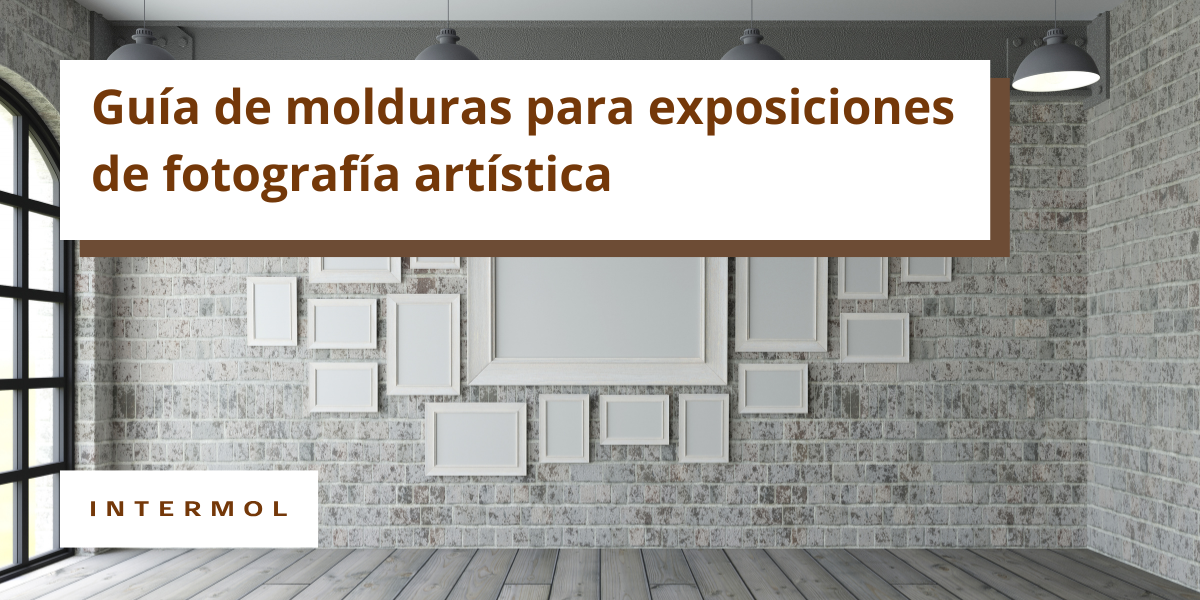
Picture frame mouldings for photographic series and visual consistency in exhibitions
The presentation of a photographic series is not limited to the technical quality of the images or the narrative that connects them. The way in which they are framed and displayed to the public influences the visual reading, the rhythm of the exhibition and the professional perception of the series as a whole. Picture frame mouldings for photographic series therefore become a strategic element that goes far beyond decoration, as they provide consistency, balance and continuity throughout the exhibition layout.
When a photographer or gallery owner plans an exhibition, the frame should be understood as part of the visual narrative. Choosing the right picture frame mouldings for exhibitions makes it possible to unify styles, reinforce the artistic intention and help viewers focus on the images without unnecessary distractions. In this context, the frame acts as a silent visual language that connects each work with the next.
The importance of visual consistency in a photographic series
A photographic series is defined by the relationship between its images. This relationship may be thematic, chromatic or conceptual, but it always requires a consistent presentation that reinforces it. Visual consistency does not imply absolute uniformity, but rather a sense of order and continuity that guides the visitor’s gaze.
Picture frame mouldings play a key role in this process. Using the same type of picture frame moulding throughout a photographic series helps to create a clear visual line, preventing each work from competing for attention. The frame establishes a boundary, but also provides a smooth transition between the photograph and the exhibition space, which is particularly important in contemporary galleries and museums.
When this consistency is disrupted, viewers perceive the exhibition as fragmented. By contrast, a carefully considered selection of picture frame mouldings for exhibitions conveys professionalism and communicates a sense of aesthetic and conceptual control.
Picture frame mouldings as a narrative tool in photographic exhibitions
The frame is not a neutral element. Its colour, profile and material directly influence how the image is perceived. In photographic exhibitions, where detail and subtlety are essential, the picture frame moulding can reinforce the narrative or, if poorly chosen, weaken it.
Picture frame mouldings with clean lines and understated profiles are generally the most widely used in contemporary photography because they allow the image to breathe. In documentary or minimalist series, a restrained picture frame moulding acts as a silent enclosure that respects the content. In more expressive projects, certain finishes can establish a dialogue with the aesthetics of the photographs without taking attention away from them.
When selecting picture frame mouldings for exhibitions, it is essential to consider the series as a whole rather than each work in isolation. Repeating the same profile creates a visual rhythm that accompanies visitors throughout the exhibition.
Types of picture frame mouldings for photographic series according to exhibition style
The market offers a wide range of picture frame mouldings suited to different visual languages. In fine art and exhibition photography, aluminium picture frame mouldings stand out for their contemporary appearance and their ability to blend into modern spaces. Lacquered wooden picture frame mouldings in neutral tones are also commonly used, as they add warmth without compromising restraint.
Intermol’s specialist catalogue of picture frame mouldings includes solutions specifically designed for exhibitions, with profiles developed to keep attention focused on the artwork. This type of moulding is particularly suitable for photographic series requiring visual consistency and durability in temporary or travelling installations.
The choice of profile should take into account the size of the photographs, the type of paper and the viewing distance. A picture frame moulding that is too wide can overwhelm small images, while one that is excessively narrow may lack visual presence in larger formats.
Colour and finish of picture frame mouldings for photographic exhibitions
The colour of the picture frame moulding directly influences the perception of the image. Neutral tones such as white, black or natural aluminium are the most widely used for picture frame mouldings for photographic series, as they do not alter the chromatic balance of the artwork. These colours allow for a clean and professional presentation, particularly in group or institutional exhibitions.
Matt finishes are usually preferable to gloss finishes because they prevent distracting reflections under gallery lighting. In exhibitions where lighting is a key element, the choice of finish can make the difference between a comfortable viewing experience and a display affected by visual distractions.
In more experimental projects, some photographers choose picture frame mouldings with special finishes that interact with the content. In these cases, consistency should be maintained throughout the entire series so as not to disrupt the visual unity of the display.
Picture frame mouldings and mountboard in photographic series
The use of mountboard is another decisive factor in the presentation of a photographic series. This element creates a transitional space between the image and the picture frame moulding, providing visual breathing room and making the photograph easier to view. In exhibitions, mountboard helps to standardise formats and compensate for slight variations in the dimensions of the works.
The right combination of mountboard and picture frame moulding reinforces visual consistency. When selecting picture frame mouldings for exhibitions, maintaining the same mountboard width and colour throughout the series conveys order and attention to detail in the framing process. It also protects the artwork and improves its long-term preservation.
Choosing high-quality, acid-free mountboard is particularly important in photography, where the supports are sensitive to ageing. This technical consideration is also part of a professional presentation.
The influence of the exhibition space on the choice of picture frame mouldings
Every exhibition space has its own characteristics. Installing a photographic series in a white-walled gallery is not the same as displaying it in a historic building or a multipurpose venue. The picture frame moulding must adapt to its surroundings without losing consistency with the artwork.
In contemporary spaces, picture frame mouldings with narrow profiles and minimalist designs tend to integrate more effectively. In more traditional settings, certain wooden profiles may work well, provided that they do not compete visually with the photograph. In all cases, picture frame mouldings for photographic series should act as a link between the artwork and the surrounding space.
Consulting specialist catalogues such as Intermol’s makes it possible to find picture frame mouldings designed for different exhibition settings, with versatile solutions that facilitate adaptation to different venues without compromising a strong visual identity.
Visual consistency and branding in photographic exhibitions
For established photographers or galleries representing several artists, visual consistency also has a branding dimension. Using the same type of picture frame mouldings for exhibitions across different shows strengthens recognition and conveys a professional, carefully considered image.
This consistency does not imply rigidity, but rather a recognisable aesthetic approach. Picture frame mouldings become part of the visual language of the photographer or gallery, helping to create a consistent experience for regular visitors.
In travelling exhibitions, where works are displayed in different venues, retaining the same picture frame mouldings ensures that the series preserves its identity regardless of location.
Common mistakes when choosing picture frame mouldings for photographic series
One of the most common mistakes is to choose picture frame mouldings by considering each image individually. This approach may work for a standalone artwork, but it often creates inconsistency across a complete series. The exhibition loses its rhythm and the overall display appears disorganised.
Another frequent mistake is choosing picture frame mouldings that are too decorative. In photography, the frame should complement the image rather than compete with it. An overly prominent moulding draws attention away from the content and disrupts visual unity. For this reason, picture frame mouldings for photographic series should be selected from an overall, strategic perspective.
Technical aspects such as material quality and correct fixing are also frequently overlooked. In professional exhibitions, these details influence both the preservation of the artwork and the public’s perception of the display.
Picture frame mouldings for temporary and permanent exhibitions
Not all exhibitions have the same duration or objectives. In temporary exhibitions, versatility and ease of installation are usually the main priorities. Lightweight, durable picture frame mouldings are ideal for this type of project, particularly for travelling photographic series.
In permanent or long-term exhibitions, the selection of picture frame mouldings for exhibitions should focus on durability and stability. High-quality materials and secure mounting systems ensure that the artwork remains in perfect condition over time.
The balance between aesthetics and functionality is essential in both cases. A suitable picture frame moulding makes the gallery owner’s work easier and improves the viewer’s experience.
Current trends in picture frame mouldings for exhibition photography
In recent years, trends in photographic exhibitions have moved towards simplicity and the reduction of unnecessary elements. Picture frame mouldings with narrow profiles, neutral colours and matt finishes dominate the contemporary exhibition landscape.
This trend reflects a growing awareness of the importance of visual consistency. Picture frame mouldings for photographic series are no longer selected at random, but as an integral part of the exhibition project. The aim is to create a clean visual environment that allows viewers to focus on the message conveyed by the images.
Specialist manufacturers have adapted their catalogues to meet these requirements, offering specific solutions for photography and professional exhibitions, as can be seen in the selection of picture frame mouldings available from Intermol.
How to plan the choice of picture frame mouldings from the start of the project
One of the best recommendations for photographers and gallery owners is to incorporate the choice of picture frame mouldings from the earliest stages of the exhibition project. Considering the frame at the same time as defining the image formats and exhibition space helps to avoid rushed, last-minute decisions.
Defining a common type of picture frame moulding for the entire series simplifies production and installation. It also allows the budget to be managed more efficiently, which is particularly important in large-format exhibitions or displays featuring a high number of works.
This planning reinforces visual consistency and ensures that the exhibition is perceived as a solid, well-structured whole.
The role of picture frame mouldings in the viewer’s experience
The viewer’s experience depends not only on the images, but also on all the elements that make up the exhibition. The picture frame moulding influences how visitors approach the artwork, the distance at which they stop and the amount of time they spend viewing each image.
A well-framed photographic series encourages a smooth and orderly progression through the exhibition. Picture frame mouldings for exhibitions act as a connecting thread that accompanies viewers without imposing on them, creating an environment conducive to contemplation.
This effect is particularly important in exhibitions with a narrative structure, where visual continuity reinforces the story being told. The choice of picture frame mouldings directly influences the visual consistency, narrative and professional perception of an exhibition. Understanding them as part of the exhibition narrative rather than as a simple accessory marks the difference between an acceptable display and a memorable exhibition.
Choosing consistent and carefully selected picture frame mouldings for photographic series allows the images to interact with one another and with the surrounding space, creating a balanced and carefully considered visual experience. For photographers and gallery owners, this attention to detail is an investment in quality, identity and long-term recognition.
In Same Category
- Molduras para espejos: tipos, acabados y trucos de instalación
- Cómo elegir molduras para vitrinas y marcos profundos
- Cómo elegir paspartú para cuadros que se colocarán en ambientes clásicos
- Molduras finas para cuadros: cuándo recomendarlas y cuándo evitarlas
- Cómo elegir molduras para cuadros en proyectos de interiorismo residencial