

Molduras para espejos: tipos, acabados y trucos de instalación
Las molduras para espejos cumplen una función que va mucho más allá de sujetar o proteger el cristal. El marco modifica la percepción del espejo, determina su integración dentro de la estancia y puede convertir una pieza sencilla en uno de los elementos protagonistas de la decoración. Elegir correctamente una moldura requiere valorar el tamaño del espejo, el estilo del espacio, el color de las paredes, el mobiliario e incluso la cantidad de luz natural disponible. También es importante analizar cuestiones técnicas como el ancho del perfil, el galce y el sistema de montaje.
Read more
Cómo elegir molduras para vitrinas y marcos profundos
Enmarcar una fotografía, una lámina o una obra sobre papel suele requerir poco espacio entre la pieza y el frontal del marco. Sin embargo, cuando queremos conservar y exponer medallas, pequeñas figuras, recuerdos familiares, objetos de colección, textiles o cualquier elemento con volumen, las necesidades cambian por completo. En estos casos, las molduras para vitrinas permiten crear un espacio interior suficiente para alojar la pieza sin comprimirla y mantenerla separada del cristal o metacrilato.
Read more





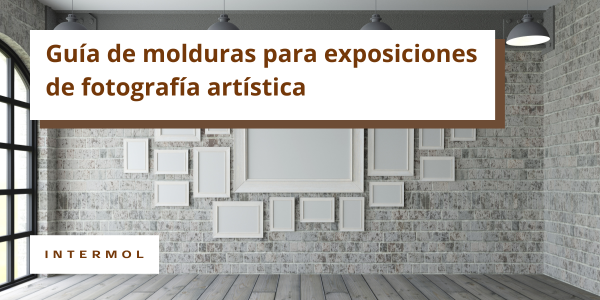
Guide to Picture Frame Mouldings for Fine Art Photography Exhibitions
The presentation of a photographic series is not limited to the technical quality of the images or to the narrative that connects them. The way they are framed and displayed to the public influences the visual reading, the rhythm of the exhibition and the professional perception of the series as a whole. Picture frame mouldings for photographic series therefore become a strategic element that goes far beyond decoration, as they provide coherence, balance and continuity throughout the exhibition layout.
Read more
When to Use Gold or Silver Picture Frames
Gold and silver finish mouldings have become one of the most widely used decorative resources in interior design projects seeking sophistication, brightness, and a premium finish. Both gold picture frame mouldings and silver picture frame mouldings add character, help enhance artistic pieces, and allow the creation of balanced compositions in classic, contemporary, or eclectic styles. Choosing between gold or silver is not a random decision, but a strategic choice that directly influences the perception of the space, the prominence of the artwork, and the overall visual harmony
Read more
How to store and handle mat boards without damaging them
The mat board for framing is a fundamental element in the presentation and preservation of artworks and photographs. Its aesthetic function is evident, but its protective role is equally important, as it acts as a barrier between the artwork and the frame glazing. For this reason, proper storage of mat boards is essential to preserve their structure, color, and stability. Poorly stored material may warp, fade, or develop surface marks, affecting the final framing result.
Read more
How to choose shadow box frames for displaying collectible objects
Mouldings designed for display cases have become an essential solution for those who wish to showcase bulky, fragile, or highly sentimental objects with both safety and elegance. Their function goes far beyond decoration. These structures allow each object to have its own dedicated space, protected and enhanced. This article presents a technical approach focused on deep rebate or box-style mouldings, ideal for those seeking precision, durability, and a flawless presentation.
Read more
Tips for Choosing Aluminum Picture Frames for Contemporary Framing
Aluminum picture frames have become a leading choice in modern framing due to their balance between structural strength and lightweight properties. Their ability to maintain clean lines, slim profiles, and a professional finish positions them as an ideal alternative to more traditional materials.
Read more
How to choose frames with a deep rabbet for a display-case finish
Choosing the right moulding directly affects the final result of any framing project, especially when the artwork requires spacing from the glass or an internal depth that adds volume. High rebate mouldings play a key role in these situations, allowing the piece to be transformed into a more refined, stable and well-protected display composition.
Read more
How to measure your artwork to choose the perfect mount board
The mount board used for picture framing is a key element both in the aesthetic presentation and in the conservation of any artwork. Its main function is to create a visual space that provides balance and enhances the viewing of the subject. It also prevents the glazing from coming into direct contact with the surface of the piece, which is essential for works on paper or items of heritage value.
Read more
How to choose the correct moulding size for picture frames
The choice between thin and wide mouldings fully determines the presence of an artwork within a space. Picture mouldings do not only fulfil a structural function; they also act as a visual element that must remain proportionate to both the piece and its surroundings. Correctly interpreting moulding size for framing ensures visual balance, enhancing the artwork while avoiding any sense of imbalance or visual overload.
Read more