

Deep framing: key aspects of mouldings with relief
Relief picture mouldings represent one of the most effective solutions for adding visual character, aesthetic strength and a sense of volume capable of transforming any artwork. Their defining feature lies in their ability to incorporate texture and three-dimensionality into the frame itself, creating a sense of depth that enhances the piece without overwhelming it. This type of moulding has gained prominence both in professional framing environments and in interior design, becoming an essential resource for those seeking to give each artwork a distinct identity.
Read more
Guide to combining mouldings with mounts and neutral backgrounds
The interaction between the moulding, the mount and the neutral background directly influences the visual hierarchy of an artwork and the way its colours are perceived. Each element contributes a distinct nuance to the final composition and, when they work in harmony, the piece gains presence, balance and depth. When these decisions are analysed from a design perspective, it becomes clear that framing is not merely about containing the image, but about constructing an environment that enhances its message. The artwork is the focal point; the mount acts as a mediator; the moulding completes the composition; the background defines the atmosphere that surrounds the entire visual system.
Read more
Mouldings with fillet for a unique visual depth
Picture mouldings with fillet stand out for their ability to transform the presentation of an artwork thanks to an inner element that adds depth, separation and a cleaner visual finish. The fillet, also known as arpillera, acts as an integrated secondary frame and creates an effect highly valued in professional framing, especially when working with watercolours, delicate prints or pieces mounted with a mount. This structure provides the artwork with its own visual space and prevents the main frame from enclosing it too tightly, resulting in a more balanced aesthetic.
Read more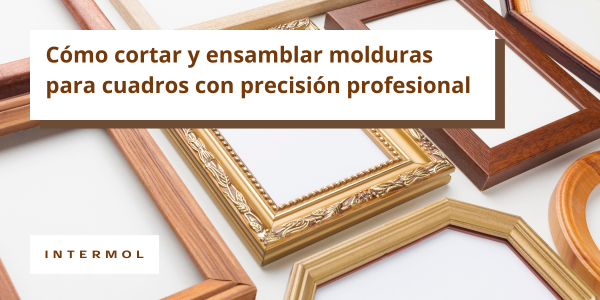
How to cut and assemble picture mouldings with professional precision
When it comes to producing frames that stand out for their flawless finish, mastering moulding cutting and assembly techniques is essential. In this guide, specifically aimed at professional workshops, we review everything step by step: from selecting the appropriate machinery to the details of corner sealing and finish sanding. In addition, we include practical recommendations based on the experience of manufacturers specialising in picture mouldings.
Read more
How to choose picture mouldings according to classic, Nordic or industrial style
The choice of picture mouldings is an essential aspect of interior design. It is not only about framing an artwork, but about enhancing its aesthetic value and ensuring it interacts coherently with its surroundings. Each decorative style requires a different type of moulding, in terms of materials, profile and finish. In this practical guide, we explain how to select the most suitable moulding for three of the styles most commonly used by interior designers and professional framers: classic style, Nordic style and industrial style.
Read more
How a picture frame influences the perceived value of the artwork
Wooden frame mouldings play a fundamental role in the presentation and perception of framed works. In a professional setting, selecting the right moulding can significantly increase the perceived value of any artistic or decorative piece. For framing workshops, having a trusted supplier such as Intermol, a distributor specialized in wooden mouldings, ensures top-quality results and finishes that meet client expectations.
Read more
The key to restoring and protecting your wooden frame mouldings
Retouching and finishing wax for pictures is an essential solution for any professional seeking to preserve or bring wooden frame mouldings back to life. Over time, wood can suffer small damages which, without proper restoration, diminish the value and aesthetics of the whole piece. The correct use of specialised waxes makes it possible to solve these problems in a simple, discreet and lasting way.
Read more
Recommended accessories for a framing workshop
In professional framing, every detail makes the difference. For workshops working with small-format artworks and photo frames, having the right accessories is essential to achieve a perfect finish and extend the preservation of each piece.
Read more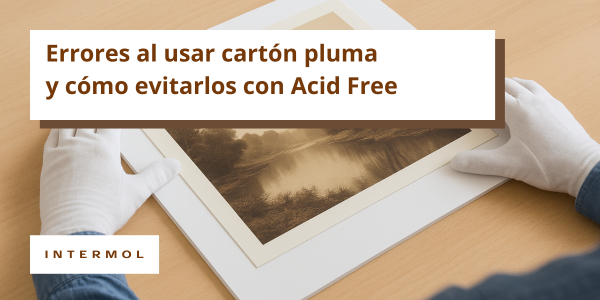
Mistakes when using foam board and how to avoid them with acid-free materials
Acid-free foam board, also known as acid-free foam core, has become an essential material in art, photography, historical documentation, and professional presentation sectors. Its structure combines a polystyrene foam core with acid-free paper sheets, preventing deterioration and stains commonly caused by traditional substrates.
Read more
Guide to hanging pictures: nail-free systems and with hardware
Hanging pictures on the wall may seem simple, but choosing the right system makes all the difference in the safety and aesthetics of the space. It's not just about decorating, but ensuring that each piece is securely attached without compromising the integrity of the wall.
Read more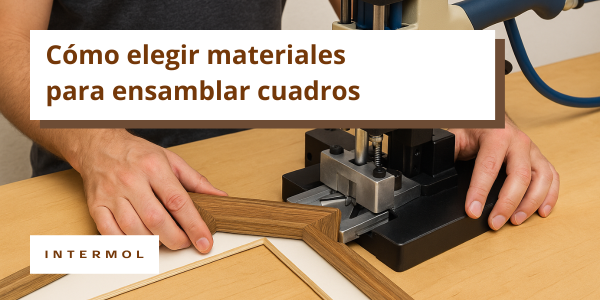
How to choose materials for assembling picture frames
Assembling picture frames requires precision, quality tools, and specific materials to achieve a durable and professional result. The assemblers, staples for assemblers, nail guns, and staplers play key roles in enabling the creation of sturdy and aesthetically flawless frames.
Read more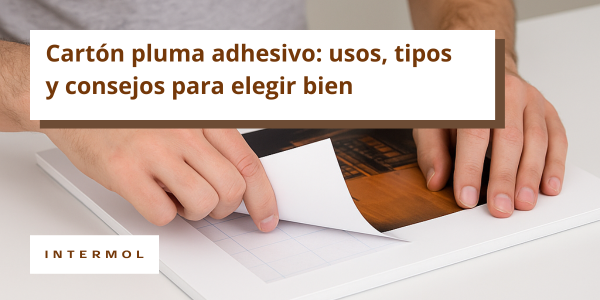
Adhesive foam board: uses, types, and tips for making the right choice
Foam board has become an indispensable reference in the world of graphic production. Its lightness, stability, and versatility make it the ideal support for framing, presentations, exhibitions, models, and signage. With a structure composed of a polystyrene foam core covered with paper or cardboard, it offers a uniform surface that ensures professional results.
Read more
Guide to choosing the ideal wooden frame for your artwork
Discover the best wooden stretchers for canvases and paintings. Types, uses, and tips to choose the perfect stretcher for your artwork.
Read more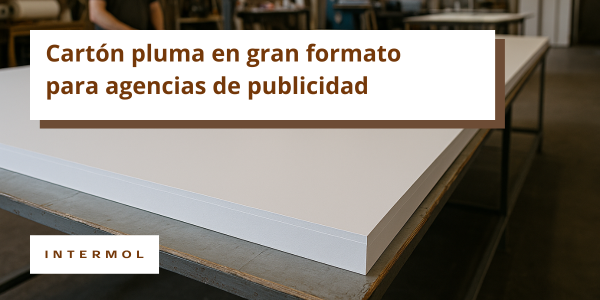
Foam board in large format for advertising agencies
Large format foam board for advertising agencies. Ideal for visual campaigns, presentations, events, and creative setups with professional impact.
Read more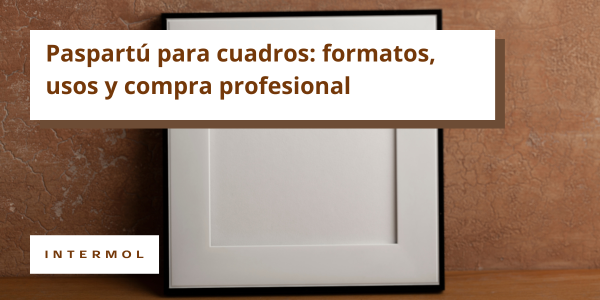
Mountboard for framing: formats, uses and professional purchase
Discover everything about professional mountboard: its role in framing, available formats, thicknesses, color combinations, and tips for handling it without damaging it. Ideal for workshops, frame manufacturers, fine arts, and visual communication agencies.
Read more
Types of wooden moulding for framing: pine and ayous
Learn about the characteristics of the most commonly used wooden mouldings for framing: pine and ayous. We review their advantages, applications, and finishes to help you choose the ideal material for your specific project. Find out where to buy high-quality mouldings at the best price.
Read more